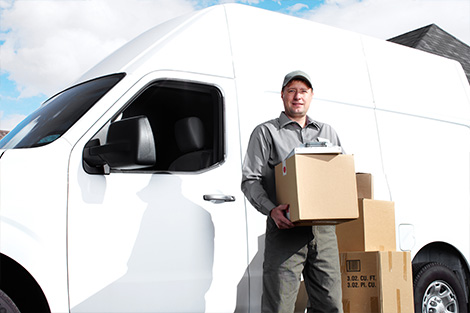
Catford Man with Van

Catford Man with Van provides a straightforward man with van service in Catford for people who need practical help moving goods, furniture and household items with care. The service suits customers who want a smaller-scale removal option that still feels organised, methodical and well suited to local journeys. We focus on the carrying, loading and transport side of the job, helping to move items between homes, storage, workplaces or other destinations where a van is the right size for the task.
Our work can cover single items, partial loads and fuller transport runs where a larger removals vehicle is not necessary. Because every move has its own shape, the best way to approach it is to match the vehicle space, handling needs and access details to the items involved. Careful planning matters as much as the carrying itself, especially when furniture has to be manoeuvred through tight halls, shared entrances or stairs. If you are comparing options, a clear description of the job helps you choose the right level of support.
For a simple start, tell us what needs moving and where it is going, then request a quotation in the way that suits you best. If the load includes awkward items, combine this with any access notes so the move can be assessed properly before the day arrives.
What this man and van service covers
Our man and van work is centred on practical transport support rather than a full household clearance model. That means the service can be suitable when you need a flexible vehicle, an extra pair of hands and a careful approach to loading. Items are typically handled individually or in manageable groups so that they can be moved without unnecessary strain, which is useful when you are shifting a few pieces of furniture, boxed belongings or mixed household goods.
The service can also help when your moving day is split across more than one stop. A van can be used to collect from one address, deliver to another, and then continue to a second location if the job has been planned in advance. Good sequencing keeps the route efficient and reduces handling risks. If you know there will be items needing disassembly, protective wrapping or extra care, mention that early so the move can be scoped sensibly.
When the job is not large enough for a full removals team, this kind of support can be a practical middle ground. Pricing and quotes should reflect the size of the load, the distance travelled and any work that affects loading time, so a detailed enquiry is helpful before anything is confirmed.
Home removals and part-load moving

Many customers use a man with van service for home removals that do not need a full-sized lorry. This can include moving the contents of a studio flat, a room in shared accommodation or selected furniture from a larger house. The main advantage is flexibility: the vehicle can be matched more closely to the amount being moved, and the job can be planned around the items that matter most.
Part-load moves are often best when belongings can be grouped by room or by destination. For example, you may be moving only furniture and boxes that fit into one van load, or you may be combining a few bulky items with smaller packed goods. If there are delicate possessions, it helps to separate them clearly from heavier pieces. Thoughtful packing and sensible stacking reduce the chance of shifting in transit and make unloading more orderly at the other end.
If you are organising a move with several different categories of item, it may help to check home moves for a broader overview of domestic transport support. A clear inventory makes it easier to judge vehicle space and handling requirements, and it can also help you decide whether your move is best treated as a direct run or a staged collection.
Furniture, appliances and single-item collections
A van-based moving service is especially useful for bulky items that are awkward to transport in a car. Sofas, beds, wardrobes, tables and white goods all need careful handling, even when they are being moved on their own. The key is to assess weight, shape, access and the safest way to load each piece so it travels securely. Where needed, the process can include moving items from upstairs rooms or through shared entrances, provided the access is workable and the item can be managed safely.
This kind of transport is also useful for collections from shops, storage units, private sellers or auctions. Because the vehicle space is smaller and more focused, the job can suit one-off purchases as well as planned deliveries. If an item needs to be kept upright or should not be tilted, say so in the quotation request. The more specific the information, the easier it is to plan handling without guesswork or wasted time.
You can also look at furniture pick-up if your priority is collection rather than a larger move. For specialist disposal or replacement runs, it may also help to consider fridge and appliance removal or mattress and sofa disposal where those pages are a closer fit to the items involved.
Packing support and preparation
Some moves work best when packing support is included, while others only need transport once the items are already boxed and ready. Packing and unpacking can be useful for customers who want help making fragile goods more manageable or who need a little extra structure before moving day. Materials, labelling and room-by-room grouping all make the van load easier to organise, particularly where items have to be delivered to more than one room at the destination.
Preparation does not need to be complicated, but it should be specific. If you can note the number of boxes, the size of the furniture, whether anything is fragile, and whether the route includes stairs or narrow access, the quote can be based on a more accurate picture. Photographs can also be useful, but they are only one part of the brief. The aim is to give a realistic description so the job can be planned properly rather than treated as a rough estimate.
If you need more than transport alone, see packing and unpacking services for a fuller look at what can be included. You can then decide whether you want to manage the packing yourself or hand over part of the preparation before the move starts.
Commercial moves and office transport

Not every van job is domestic. Smaller commercial moves can involve office furniture, boxed files, shop stock or equipment that needs to be transferred without disrupting the working day more than necessary. A man with van arrangement is often suitable when the load is modest, the destination is local or the transport needs to be split into manageable parts. The service is best used where items can be listed clearly and moved in a controlled sequence.
Office transport often depends on access and timing as much as the items themselves. Desks, chairs, cabinets and archived materials may all need different handling methods, especially if there are lifts, security procedures or loading restrictions at either end. If equipment has to remain upright or cannot be stacked, that should be stated early. Where the move is only part of a larger relocation, you can keep the vehicle work focused while other aspects are handled separately.
For business customers, the next step is often to review commercial moves or office relocation services if the job has multiple rooms, a set schedule or several categories of office goods. Those pages give a better fit when you need a broader moving plan rather than a simple transport run.
Loading, access and journey planning
Good man and van work depends on more than just vehicle space. Access matters at both collection and delivery points, and the loading method should be chosen with the item shape and route in mind. A quick assessment of doors, stairs, parking and any distance from the entrance can make a substantial difference to how a move is planned. When access is straightforward, the job is often simpler; when it is not, the plan needs to account for the extra handling.
It is also sensible to think about sequence. Items that are needed first at the destination should be easier to reach, while heavier pieces may be loaded in a way that keeps them stable during transit. Clear sequencing helps the unloading process as well, because it reduces unnecessary shuffling once the van arrives. If the move includes a time window or a chain of collections, tell us in advance so the route can be organised appropriately.
When the move involves several destinations, the difference between a single-point journey and a more complex run becomes important. In those cases, a brief list of collection and delivery points is usually the most useful starting point for a quotation request, alongside item details and access notes.
About Catford
Catford is a district in south-east London, within the London Borough of Lewisham, known for its mix of civic buildings, transport links and everyday high-street activity. The area takes its name from a historic crossing point over the River Ravensbourne, and its development was shaped by railway expansion in the nineteenth century. Catford’s present-day town centre grew around those transport connections, which helped it become a local commercial focus rather than a purely residential neighbourhood. One of its most recognisable landmarks is the Catford Cat, a large black feline sculpture mounted above the former Catford Centre, which has become a familiar part of the streetscape. The district also includes a range of late Victorian and interwar buildings, with pockets of older housing and later redevelopment creating a varied urban pattern. Nearby open space such as Mountsfield Park provides a contrast to the denser town centre, while the Ravensbourne corridor and local green spaces give the area a more layered geography than its central streets might suggest. Catford has long been associated with transport change, from rail and tram connections to modern bus routes, and this has influenced how the district functions as a link between surrounding parts of south London. Cultural life is supported by local venues, independent businesses and community activity, giving the area a practical but distinctive identity within Lewisham.
How to request a quotation
A useful quotation request should do two things: describe the load clearly and explain the route. Start with the type of items, then add the number of pieces or boxes, the pickup and drop-off points, and any access details that might affect handling. If anything is especially heavy, fragile, bulky or awkward, name it directly. This keeps the estimate grounded in the actual work rather than in assumptions. It also helps avoid unnecessary back-and-forth, which is useful when you are trying to compare options efficiently.
For jobs that include more than basic transport, list any extras that matter: dismantling, protected wrapping, multiple stops, waiting time or moving items between rooms. That way the quote can reflect the work involved instead of treating every job as though it were identical. If you are unsure how to summarise everything, a short written outline is usually enough to begin with. You can then refine the details once the main shape of the move is clear.
To move things along, send your job details and request a quotation when you are ready. If you want to keep the process simple, begin with the essentials and add any special instructions after that.
House, flat and storage moves

Many people use van transport for moves between flats, houses and storage units because these jobs often need flexibility rather than heavy machinery. A smaller move can still involve careful planning if there are multiple floors, tight corridors or a need to collect from storage before continuing to a new address. The van is most effective when the load can be organised into sensible groups and the route can be followed without unnecessary detours.
Storage work is often about timing and access. If belongings are being taken out of a unit, the contents may already be packed and ready, which makes loading quicker and more systematic. If the move is going the other way, it helps to sort items by what needs to remain accessible and what can be stacked more tightly. This is where clear labels and a concise list can save effort, especially if the same delivery includes furniture and boxes.
If your job has a storage element, you may also find about us useful for general background, while the moving pages are better for matching the job to the right service type. The main point is to keep the transport plan practical, so the van space and the lifting work are both used efficiently.
When a smaller van move is the right choice
A man with van service is often the right fit when the move is too substantial for a car but not large enough to justify a full house removal operation. That middle ground can suit students, renters, small businesses and anyone moving selected items rather than an entire property. The advantage is not just vehicle size; it is the ability to keep the job focused on the items that actually need moving, which can make the process more manageable from start to finish.
It is also a useful option where the items are valuable in weight or shape rather than volume. A few awkward pieces can be more demanding than a larger number of lightweight boxes, so the plan should always be based on the actual objects involved. If you are uncertain whether a van move is enough, the safest approach is to describe the heaviest and most awkward items first. That usually gives the clearest picture of the transport needs and helps avoid overcomplicating the booking.
When you are ready, ask for a quotation and include the details that affect handling most. A concise enquiry is fine, provided it covers the essentials needed to assess the load.
Preparing the final move details

Before a move, it helps to settle the details that affect loading and delivery in the real world. That means checking which items are going, whether anything needs to be dismantled, and whether the collection point has parking or access limitations. It also means thinking about the receiving address: where the van can stop, whether there are stairs, and which items need to be unloaded first. These practical points are often more important than a broad description of the move itself.
For larger or more structured jobs, a simple order of operations can be helpful.
- List the main items.
- Note any fragile or awkward pieces.
- Confirm the collection and delivery points.
- Add access notes and preferred timing.
If you already know the scope, send the details and request a quotation today. For a practical contact us option, use the page linked here when you are ready to move forward.