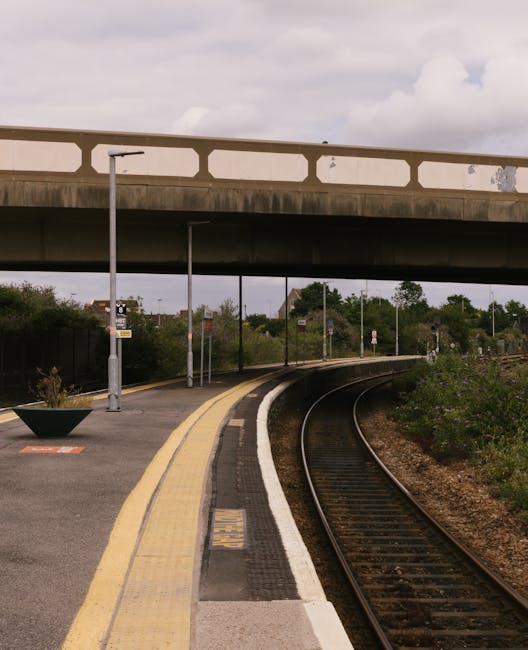
Catford Bridge station man with a van access tips: how to plan a smooth pickup, loading stop, and quick getaway
If you are arranging a move, furniture pickup, or small business delivery near Catford Bridge, a little planning makes a huge difference. Catford Bridge station man with a van access tips is really about one thing: making sure the vehicle can reach you safely, load quickly, and leave without drama. Sounds simple, but station-adjacent roads, timed bays, foot traffic, and awkward corners can turn a straightforward job into a frustrating delay.
In practice, the best moves near a busy station are the ones where the access is thought through before the van arrives. Where will it stop? Is there room to turn? Can the driver stay close enough to the entrance without blocking buses, taxis, or pedestrians? And if the item is heavy, who is carrying it from the door to the vehicle? This guide walks you through the practical side of access so you can book with confidence and avoid the usual little surprises.
Table of Contents
- Why Catford Bridge station access matters
- How access for a man and van job works
- Key benefits and practical advantages
- Who this is for and when it makes sense
- Step-by-step guidance
- Expert tips for better results
- Common mistakes to avoid
- Tools, resources and recommendations
- Law, compliance, standards and best practice
- Options, methods and comparison table
- Case study or real-world example
- Practical checklist
- Conclusion
- Frequently asked questions
Why Catford Bridge station man with a van access tips Matters
Station access is not just a "nice to have". Around a rail hub, everything is tighter: road space, stopping time, pedestrian movement, and the patience of everybody else trying to get through. If a van cannot stop close enough, even a short move becomes a long one. You end up with extra carrying distance, more handling risk, and a higher chance of something being scratched, dropped, or delayed.
Catford Bridge station sits in a part of south London where the practicalities matter more than the marketing brochures do. A van may be perfectly suitable in size, but still awkward if the access route is narrow, the kerb is busy, or the loading point is not obvious. That is why access tips are useful before you book, not after the driver is circling the area for the third time. Let's face it, nobody enjoys that little moment where the clock is ticking and everyone is guessing where to stop.
Good access planning also helps the operator price the job fairly. If the move is quick and direct, the service can be efficient. If there are stairs, long carries, a lack of parking, or time restrictions, that changes the shape of the job. Being clear early on saves stress on both sides.
How Catford Bridge station man with a van access tips Works
Access for a man and van job near Catford Bridge usually comes down to four things: where the vehicle can stop, how close it can get to the entrance, how easy it is to carry items, and whether the route is predictable. A good operator will ask questions about all four before arrival, because guessing is how delays begin.
The process often looks like this:
- You describe the item or move, including where it starts and ends.
- You explain the building type: flat, house, shop, office, or station-adjacent pickup point.
- You mention any limits: steps, lift size, narrow hallway, low bridge, timed access, or parking restrictions.
- The driver plans the vehicle position and the loading order.
- On the day, the team arrives with a route already in mind, which is half the battle.
That planning stage is especially important if you are arranging a larger vehicle through man with van services or comparing them with man and van support. The vehicle might be compact, but access still needs to be handled like a proper move, not a hopeful dash to the nearest curb.
There is also a difference between a simple kerbside pickup and a building collection. For example, collecting a sofa from a flat near the station is not the same as loading a box from a ground-floor property with a clear front drive. The item, the distance, and the route all affect the plan. Truth be told, this is where many "quick jobs" stop being quick.
Key Benefits and Practical Advantages
When access is planned properly, the benefits are immediate. You save time, reduce lifting, and make the whole operation calmer. It sounds almost too obvious, but a calm move is usually a better move.
- Faster loading: the van can stop in the best possible position, so items move in and out quickly.
- Less carrying distance: shorter walks mean less strain on the team and lower risk of damage.
- Better timing: a more predictable stop helps the driver stay on schedule.
- Lower stress: fewer parking surprises mean fewer last-minute phone calls and apologies.
- Safer handling: careful access planning reduces awkward lifts near traffic, bollards, or tight corners.
There is also a cost-control angle. If the route from door to van is clear, the job usually stays efficient. If the team has to wait, repark, or manually move items a long distance, that adds friction. That is why access details matter as much as item lists. Sometimes more, actually.
If you are planning a household move, it may also help to compare your access needs with broader services such as home moves or, for bigger properties, house removalists. The right service depends on the scale of the job, not just the postcode.
Who This Is For and When It Makes Sense
This guidance is useful for anyone who expects the van to operate near the station area or on a street where stopping space is limited. That includes flat moves, furniture collections, office items, student relocations, and last-minute deliveries that need a dependable access plan.
It is especially relevant if you:
- live in a flat above a shop or near a busy road
- have a long walk from the property to the nearest safe stopping point
- need to move bulky furniture, white goods, or several boxes
- are scheduling a pickup during commuter-heavy hours
- are not sure whether parking will be available outside the property
- want to keep the job as short and tidy as possible
For businesses, the same logic applies. Office clear-outs, stock relocations, confidential file removal, or equipment transfers all benefit from decent access planning. If you are dealing with a commercial move, a well-organised commercial moves service can make the difference between a neat handover and a chaotic corridor full of boxes. Nobody wants that on a Tuesday morning.
If your job involves appliances, delicate furniture, or items that need special handling, access becomes even more important. A fridge, for instance, is simple in theory and annoying in practice if the route is tight. For those situations, pages like fridge and appliance removal or furniture pick up may be more relevant than a generic transport booking.
Step-by-Step Guidance
If you want the move to go smoothly, use a simple process. No fancy system required. Just clear information and a bit of common sense.
1. Check the access route from the property to the road
Walk the route yourself if you can. Look for steps, narrow gates, railings, low branches, awkward turns, and places where two people cannot comfortably pass with a large item. Even if the road seems close, the route may be slower than you expect.
2. Think about where the van can legally and safely stop
Near a station, the biggest issue is often not distance but stopping space. You may need to identify a bay, a short stay area, or a spot where the vehicle can pause without causing a problem. If there is no obvious stopping point, say so early.
3. Measure the big items
Measure sofas, wardrobes, beds, wardrobes again because, honestly, people often guess the size and guess wrong. Also measure doorways, stair turns, and lift openings if relevant. It takes two minutes and can save a headache later.
4. Share time restrictions and busy periods
If there are school runs, commuter peaks, delivery windows, or building access hours, tell the operator. Around Catford Bridge station, timing can matter just as much as physical access. A simple five-minute delay can create a chain reaction if the stopping point is tight.
5. Prepare items before the vehicle arrives
Keep boxes closed, paths clear, and fragile items ready to move. If possible, separate what is going and what is staying. The loading stage goes much faster when nobody is still hunting for tape, keys, or a missing drawer handle.
6. Confirm the service level
Do you need a simple load-and-go, or do you want help carrying, wrapping, dismantling, or unpacking? Services like packing and unpacking services can be a smart choice if you want the move to feel less hands-on.
7. Keep contact details handy
On the day, the driver may need to check the access point or confirm the best place to meet. If you are rushing between platforms or already juggling a lift-full of boxes, a short call can save a lot of standing around. Slightly unglamorous, but effective.
Expert Tips for Better Results
The most useful tip is usually the boring one: over-communicate the access details. If something feels obvious to you, it may not be obvious to the driver. A short note about "one flight up, tight landing, front entrance shared with a shop" can be more useful than a long description of the item itself.
Here are the finer points that tend to help most:
- Send photos if possible: a quick picture of the front entrance, road, or staircase can show more than a paragraph.
- Choose the quietest slot you can: even a half-hour shift can make loading easier near a busy station.
- Use simple labels: if you have several boxes, label rooms clearly so unloading is not a guessing game.
- Keep small tools ready: Allen keys, tape, a trolley, and gloves can be surprisingly useful.
- Protect the route: if rain is expected, lay something down if the floor is slippery. Wet tiles and heavy boxes are not a lovely mix.
If the job includes disposal as well as transport, it may be worth checking whether your items suit a disposal or recycling route. For example, upholstered waste and mattresses are often better handled through dedicated services such as mattress and sofa disposal or, where appropriate, recycling and sustainability guidance. That keeps the job cleaner and avoids unnecessary clutter in the van.
Expert summary: the best Catford Bridge station access plan is the one that removes guesswork. Know where the van will stop, how far the items will travel, and what might slow the team down. Everything else gets easier from there.
One more thing. If you are dealing with a last-minute job, do not panic and assume "it will be fine." Sometimes it will be. Sometimes it will not. A five-minute chat about access is usually worth more than a fifteen-minute rescue operation on the pavement.
Common Mistakes to Avoid
The usual mistakes are not dramatic. They are small things that snowball.
- Assuming the van can stop right outside: this is probably the most common assumption, and it causes the most trouble.
- Forgetting about stairs and turns: a sofa can look manageable until it reaches the stairwell.
- Underestimating carrying time: a short distance becomes long when there are boxes, traffic, and a narrow path.
- Leaving fragile items unprotected: a wobble at the kerb can damage corners, screens, or glass.
- Booking the wrong vehicle size: too small means multiple trips; too large can mean access problems.
- Not mentioning restrictions: loading bays, timed access, permits, and shared entrances matter more than people think.
Another common one: people say "it's just a couple of bits" and then the driver arrives to find a bed frame, three suitcases, a lamp, and half a flat's worth of extras. To be fair, it happens. But it is much easier to avoid if you send a proper list up front.
Tools, Resources and Recommendations
You do not need special equipment for every move, but a few basic things make access easier and safer. A trolley, furniture blankets, ratchet straps, tape, and a marker pen can be genuinely useful. For heavier or awkward items, a sack truck or dolly board can save a lot of strain.
It also helps to use the right service for the right job. A smaller, flexible move may suit man and van, while larger or more complex jobs may need a moving truck or even removal truck hire. The vehicle should match the access, not just the item count.
For certain specialist tasks, it is worth checking whether extra support is sensible. Office files, for example, may need discreet handling through confidential shredding. Office relocations themselves may be easier with office relocation services if there is a lot to move and not much time to waste.
If you want to understand a company's approach before booking, pages like about us, insurance and safety, and health and safety policy are worth a look. They help you judge whether the operator takes planning seriously or just hopes the day sorts itself out.
Law, Compliance, Standards, or Best Practice
For a local man and van job, the main compliance questions are usually practical rather than technical. The operator should work safely, handle goods responsibly, and respect access, parking, and property rules. If the move includes disposal, waste must be managed appropriately and not simply left to chance. If the load contains items that require special care, that should be handled in line with accepted UK practice and the company's own terms.
Best practice is straightforward: be honest about access, do not overload the vehicle, protect the property, and make sure the team can work without unnecessary risk. That includes not blocking entrances, not lifting unsafely, and not ignoring restrictions just because the job seems small. Small jobs can still go wrong if the plan is weak.
If you are comparing providers, look for clear information about pricing, security, and insurance. Pages such as pricing and quotes, payment and security, and terms and conditions help set expectations before anyone arrives with a van and a ticking watch.
Where hazardous or restricted items are involved, use caution and ask in advance. Services like hazardous waste disposal are there for a reason. Do not assume every item can go with a standard household load. Better to ask a slightly awkward question now than deal with a mess later.
Options, Methods, and Comparison Table
Not every Catford Bridge access situation needs the same approach. Sometimes a compact van is ideal. Sometimes a larger vehicle is better because fewer trips mean less time on the pavement. Here is a simple comparison to help you think it through.
| Option | Best for | Strengths | Watch-outs |
|---|---|---|---|
| Small man and van | Single items, light loads, tight streets | Easier to position, often quicker in busy areas | May need extra trips if the load is larger than expected |
| Standard van with assistance | Flat moves, furniture, mixed household items | Good balance of capacity and manoeuvrability | Access still needs checking if the road is narrow |
| Larger removal vehicle | Heavier home moves, office equipment, bulkier loads | More space, fewer journeys | Can be harder to park or position near station traffic |
| Specialist pickup or disposal service | Appliances, mattresses, sofas, mixed disposal items | More suitable for awkward or unwanted items | May require item-specific planning and handling |
The right choice is not always the biggest vehicle. In fact, near a station, smaller and more manoeuvrable can be smarter if the access is tight. You want the job to fit the road, not fight it.
Case Study or Real-World Example
Imagine a straightforward sofa collection from a top-floor flat not far from Catford Bridge station. The item is heavy, the staircase is narrow, and the nearest parking is not directly outside. At first glance, this sounds like a simple two-person job. In reality, the detail is in the access.
The customer sends a photo of the entrance, explains that there are two short flights of stairs, and mentions that the road is busiest just before the evening rush. The driver chooses a sensible arrival window, stops a short walk away in a safe position, and the team carries the sofa out while the path is clear. No circling. No shouting through an intercom from the pavement. No awkward guesswork.
What made it work? Clear information. A realistic time slot. And a decision to treat access as part of the job rather than a side note. Simple, but not always obvious.
Now compare that with the same job if nobody mentioned the stairs or the parking constraints. The driver might arrive expecting a quick kerbside load, only to discover a longer carry and a tighter road than planned. The day is still recoverable, of course, but it is less smooth. And nobody likes that slightly frazzled feeling at 9:10 in the morning.
Practical Checklist
Use this checklist before your van arrives near Catford Bridge station:
- Confirm the exact pickup and drop-off addresses.
- Check whether the van can stop safely and legally nearby.
- Measure the largest items and the narrowest gaps.
- Note stairs, lifts, door widths, and tight corners.
- Tell the provider about time restrictions or busy periods.
- Share photos if the access looks tricky.
- Keep boxes sealed and paths clear.
- Separate items that are staying from items that are going.
- Have keys, contact numbers, and payment details ready.
- Ask in advance about any fragile, bulky, or specialist items.
Quick takeaway: if you are unsure whether access is easy enough, say so. A little uncertainty now is far better than a lot of stress on the day.
Conclusion
Catford Bridge station man with a van access tips are really about reducing friction. The closer the vehicle can get, the smoother the carry, the faster the job, and the lower the stress. That is true whether you are moving a single item, a flat's worth of boxes, or a small commercial load.
The best results come from honest details, realistic timing, and a bit of forward thinking. Check the route, measure the awkward bits, and speak up if something looks tight. It does not need to be complicated. Just clear, calm, and practical.
Get a free quote today and see how much you can save.
If you want to explore the service side a little further, the best next step is to review the most relevant pages, compare the support you need, and book with the access information already in hand. That way, the day feels orderly from the first minute, which is really what everybody wants.
And if the station area feels a bit hectic at first glance, that is normal. With a sensible plan, it all settles down.
Frequently Asked Questions
Can a man with a van stop right outside Catford Bridge station?
Sometimes yes, sometimes no. It depends on the exact road layout, traffic, and whether there is a safe legal stopping point. It is always better to check access in advance rather than assume curbside parking will be available.
What should I tell the driver before a pickup near the station?
Tell them the exact address, whether there are stairs or a lift, how far the items need to be carried, and whether there are any parking or timing restrictions. Photos help too, especially if the road is tight or busy.
Is a small van better than a large van near Catford Bridge?
Often, yes, if access is tight. A smaller van can be easier to position close to the property. But if you have a larger load, a bigger vehicle may reduce trips and save time overall. It depends on the job.
Do I need to measure furniture before booking?
Yes, especially for sofas, wardrobes, beds, and appliances. Measuring the item and the access route helps avoid awkward surprises. A few quick measurements can save a lot of stress.
What if the road is busy when the van arrives?
That is one of the reasons access planning matters. A good provider will aim for a sensible arrival window and choose the safest available stopping point. If you know the road gets busy, mention it early.
Can I book a man and van for just one item?
Yes. Single-item jobs are common, especially for furniture pickup, appliance removal, or local delivery. Just make sure the item size and access details are clear.
How do I prepare a flat for a van collection?
Clear hallways, pack loose items into boxes, disassemble furniture if needed, and keep the route to the door as open as possible. If there are building rules or shared entrances, let the provider know.
What happens if access is worse than expected on the day?
The job may take longer or need a revised plan. Sometimes the van can still be positioned safely nearby; sometimes the carry distance increases. That is why honest access information before arrival is so useful.
Are there special considerations for office moves near the station?
Yes. Office moves often involve time limits, multiple items, and sensitive equipment or documents. Services such as office relocation support and confidential shredding can help keep the process tidy and controlled.
Can I include disposal items with a standard move?
Sometimes, but not always. It depends on the items. Sofas, mattresses, appliances, and hazardous materials may need separate handling. Check the provider's disposal pages before mixing everything together.
How far in advance should I arrange access details?
As early as possible. Even a short move benefits from a proper plan. If you only have a day or two, send the access information straight away so the provider can prepare properly.
What is the biggest mistake people make with station access?
Assuming the van will be able to stop directly outside without checking. That one assumption causes more delays than almost anything else. A quick access check usually prevents the problem entirely.