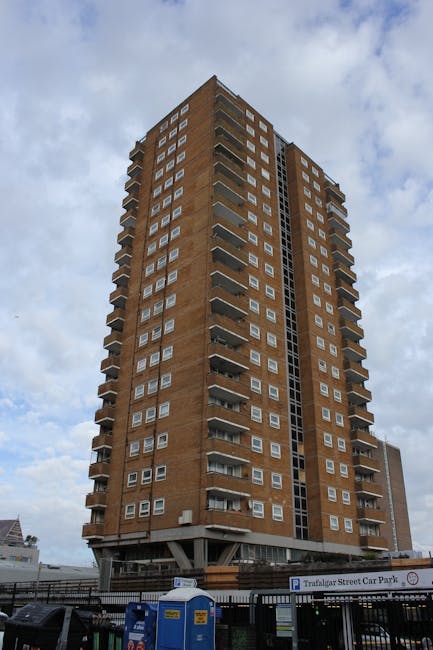
SE6 Removals Tips for Flats Above Shops Catford Broadway
If you are planning a move in SE6 and your flat sits above a parade of shops on Catford Broadway, you already know this is not a standard front-door job. There are stairs, tight landings, awkward loading points, customers coming and going downstairs, and usually very little room for error. The right SE6 removals tips for flats above shops Catford Broadway can save you time, stress, and a few bruised knuckles too.
This guide breaks down how to prepare, what usually goes wrong, and the practical steps that make a mixed-use move feel manageable. Whether you are moving a studio, a two-bed, or a flat packed with furniture that seemed lighter when you bought it, the aim is simple: help you plan a smoother move without overcomplicating it.
We will also touch on packing, access, timing, safety, and the sort of local details that matter in real life. Because let's face it, moving from above shops is rarely about the boxes alone - it is about the stairs, the schedule, the neighbours, and the little decisions that either make the day calm or chaotic.
Why SE6 removals tips for flats above shops Catford Broadway Matters
Moving out of a flat above shops is a different kind of challenge. The property may be small, but the logistics are often bigger than the floorplan suggests. On Catford Broadway, that can mean shared access, narrow stairwells, restricted stopping space, and a constant need to think one step ahead.
The biggest issue is usually access. A sofa might fit through your front door, but what about the corner on the stairwell? What about the landing with the low ceiling? What about a delivery van parked where you need to load? Those are the details that decide whether a move feels tidy or turns into a long, sweaty day with a lot of sighing.
It also matters because moves above shops can affect other people. Shop staff, customers, neighbours, building managers, and nearby traffic all play a part. If you are well organised, the move tends to feel respectful and calm. If you are not, well... everyone notices.
Strong planning is not about being fussy. It is about reducing friction. A good plan protects your belongings, avoids damage to communal areas, and makes it easier for the moving team to work efficiently. That is especially useful when the stairwell is your only route in and out.
How SE6 removals tips for flats above shops Catford Broadway Works
In practical terms, a move from a flat above shops usually follows the same broad pattern as any domestic removal, but with more emphasis on access and timing. You start by assessing the building, then you prepare the contents, then you stage the load so items can move down stairs and into the vehicle safely and steadily.
The process often begins with a quick walk-through. You look at the route from the flat to the vehicle, check whether anything needs disassembly, and identify the heavy or awkward pieces first. Wardrobes, mattress bases, washing machines, and large dining tables deserve early attention. Small boxes are easy; bulky items are where the day can wobble.
Good removals planning also includes the outside environment. On busy stretches like Catford Broadway, traffic flow and loading space can shape the whole day. You may need to time the arrival so the vehicle can be loaded without blocking access for too long. Sometimes the difference between a smooth move and a stressful one is only fifteen minutes. Honestly, that small.
If you are using a professional team, services such as man with van support or a fuller home moves service can be useful when you want flexibility, lifting help, and someone experienced with awkward access. For larger loads, a moving truck or removal truck hire may be the better fit, especially if you have multiple trips worth avoiding.
Key Benefits and Practical Advantages
The real benefit of a well-planned flat-above-shops move is not just speed. It is control. When the route is clear and the packing is sensible, everything else becomes easier to manage.
- Less lifting drama: Smaller, lighter loads reduce the chance of damage or injury on stairs.
- Faster loading: Items staged in the right order go out more quickly.
- Better protection: Fewer collisions with walls, bannisters, and doorframes.
- Less disruption downstairs: A neat schedule helps you stay courteous to shops and passers-by.
- Lower stress: You are not trying to make decisions on the fly with a mattress wedged at a half-turn on the landing.
There is also a quiet financial advantage. Better planning can reduce the number of hours needed, avoid last-minute extra help, and cut down the chance of breakages. If you are comparing options, checking pricing and quotes early gives you a clearer sense of the likely shape of the job, not just the headline figure.
For many people, the hidden win is peace of mind. You can move out of a busy SE6 location without feeling like the whole street has turned into your problem. Which, to be fair, is exactly what you want.
Who This Is For and When It Makes Sense
This guide is for renters, owners, landlords arranging an exit, and anyone helping a friend move from a flat above a shop in or around Catford Broadway. It is especially relevant if you have stairs only, limited storage, no lift, or a building that shares access with commercial units below.
It also makes sense if you are moving:
- a one-bedroom flat with a few bulky items
- a studio that still somehow contains five bookcases
- student accommodation above a retail unit
- a mixed-use property where timing has to work around shop opening hours
- items that need careful handling, such as fridges, sofas, or office equipment
If you are moving business stock or commercial items from above a shop, it may be worth looking at commercial moves or office relocation services, depending on the nature of the load. The right service matters because not every job is just a house move with different furniture. Sometimes it is really not.
You should also think about this advice if you know access is awkward, or if you have large items that cannot simply be carried down in one go. That is usually when a structured approach pays for itself.
Step-by-Step Guidance
Here is a practical way to approach a move from a flat above shops without losing the plot halfway through.
- Map the route first. Walk from the flat to the vehicle space and note stairs, corners, door widths, and anything that could snag. A handrail, a low ceiling, or a tight doorway can turn into the main event very quickly.
- Sort items by difficulty. Put bulky furniture, fragile boxes, and awkward appliances on one list. Tackle these first so you are not saving the hard jobs for the end when everyone is tired.
- Measure the awkward pieces. If you own a large wardrobe, sofa, or bed base, measure it. Then measure the route. If there is any doubt, disassemble it before moving day.
- Pack by weight, not by available box space. Overfilled boxes are a classic mistake. A box can look neat and still be a back injury waiting to happen.
- Label clearly. Use room names and a simple note like "fragile" or "heavy". That tiny extra step makes unloading much calmer.
- Protect communal areas. Keep floor coverings, blankets, or corner protection ready if the building has tight walls or fresh paint.
- Plan the order of loading. Put first-needed items last in the vehicle if they should come out first, and heavy items in positions that make stacking safe.
- Keep essentials separate. Documents, chargers, medication, keys, kettle, and one day's worth of clothes should not disappear into the back of the van.
- Allow time for the unexpected. A tricky mattress turn, a parking delay, or a broken flat-pack shelf can throw timing off. Give yourself some breathing room.
If you are packing yourself, packing and unpacking services can still be worth considering for the fragile or time-consuming items. That is especially true if you are juggling work, children, or a short completion window. The best moves are not always the ones where you do everything yourself.
Expert Tips for Better Results
A few small decisions make a surprisingly big difference on moves like this.
Use smaller boxes for books and kitchenware. Big boxes feel efficient until you try lifting them down stairs. Smaller boxes are easier to carry, easier to stack, and far less likely to split at the bottom halfway down the landing. That split sound is never a good moment.
Remove hazards before the move starts. Loose rugs, trailing cables, and shoes left on the stairs become trip risks very quickly. Clear them out early, not after someone has already started carrying a wardrobe.
Keep one person free to guide. If possible, have someone at the top to manage spacing and someone at the bottom to receive items. In a narrow stairwell, simple communication helps more than fancy equipment.
Wrap furniture properly. A sofa corner rubbing a wall is often more of a problem than the sofa itself. Blankets, wrap, and corner protection are boring, yes, but they save money and frustration.
Think about disposal early. If you are not taking everything with you, arrange removals for unwanted furniture or appliances in advance. For example, furniture pick up can help clear bulky items, while fridge and appliance removal is a sensible option for items that are awkward and heavy.
Do not leave bin bags until the end. They are always heavier than they look, and somehow they multiply. Move them out in stages if you can.
One more thing: if your move has a lot of bulky furniture, then man and van support can be a practical middle ground. Not too big, not too bare-bones. Sometimes that balance is exactly what you need.
Common Mistakes to Avoid
Most moving headaches come from the same handful of avoidable mistakes.
- Underestimating the stairwell. A sofa that looked fine in the lounge may be impossible on the turn.
- Packing too late. Last-minute packing leads to messy boxes, lost items, and a lot of "where did I put that?" moments.
- Ignoring loading restrictions. On a busy street, parking is not something you want to improvise.
- Not checking what needs disassembly. Beds, wardrobes, and table legs are often easier to manage once broken down.
- Forgetting building access rules. If there are landlord or management instructions, follow them early rather than explaining yourself later.
- Mixing keep and discard piles. It sounds obvious. Then moving day arrives, and suddenly the "sell" pile is in the wrong corner.
Another mistake is failing to think about safe disposal. If you have mattresses, sofas, or other items you do not want to take, use appropriate removal routes rather than assuming everything can just be left aside. For larger unwanted items, mattress and sofa disposal may be useful. For anything hazardous, treat it carefully and look at hazardous waste disposal guidance before you make assumptions.
Truth be told, the biggest mistake is usually rushing. A slower, calmer start nearly always beats a frantic one.
Tools, Resources and Recommendations
You do not need a warehouse full of kit to move well, but a few practical tools are worth having nearby.
- Sturdy boxes: Choose sensible sizes and avoid overfilling.
- Marker pens and labels: Clear labelling saves time later.
- Furniture covers or blankets: Useful for protecting wood, glass, and painted surfaces.
- Tape and scissors: Keep them in one easily reachable bag.
- Gloves and basic lifting straps: Helpful for grip, especially in damp weather or on colder mornings.
- Trolley or sack barrow: Good for boxes, but only if the stair route allows it safely.
For a move in SE6, it also helps to review your chosen provider's approach to safety and payments. Pages like insurance and safety and payment and security are worth checking if you want to understand how the business handles those basics. If sustainability matters to you, recycling and sustainability can help you think more carefully about what should be kept, reused, or responsibly passed on.
If you are unsure about what can be packed, stored, or removed, the page on what can go in a skip can also be a helpful reference point for sorting waste more sensibly, even if you are not hiring a skip yourself.
Law, Compliance, Standards, or Best Practice
For a move like this, the main compliance concerns are usually safety, access, waste handling, and avoiding damage to shared property. You do not need to turn the move into a legal project plan, but you should work to accepted UK best practice.
That means being careful with manual handling, keeping routes clear, and not lifting anything that is obviously too heavy or awkward for one person. In practical terms, that often means using two people for bulky items, breaking down furniture where possible, and planning pauses on stair landings if needed.
Waste and unwanted items should also be handled with care. Appliances, mattresses, sofas, confidential paperwork, and any potentially hazardous materials all deserve proper attention. If you are disposing of documents or sensitive information, confidential shredding is the more sensible route than a plain bin bag left by the back door.
Insurance is another big one. Accidents happen. A box can tip, a corner can catch, or a hallway wall can take a knock. That is why it is sensible to understand the cover and safeguards in place before the moving day starts. In a mixed-use building, with public footfall and narrow access, the margin for error is smaller than people think.
Best practice is really just common sense done properly: protect the building, protect the people, and avoid improvising with heavy items on stairs.
Options, Methods, or Comparison Table
There are a few practical ways to handle a move from a flat above shops. The right choice depends on how much you have, how difficult the access is, and how much help you want on the day.
| Method | Best for | Strengths | Trade-offs |
|---|---|---|---|
| DIY van hire | Very small moves with light furniture | Can be low-cost and flexible | You handle lifting, route planning, and risk yourself |
| Man and van | Small to medium flats, tight access, mixed loads | Good balance of help, speed, and flexibility | May need multiple trips if the load is larger |
| Full home removals | Heavier loads, more furniture, higher stress moves | More structured, more hands, less lifting pressure | Usually more involved and may be unnecessary for tiny moves |
| Truck hire | Larger household contents or multiple bulky pieces | Better capacity and fewer repeat journeys | Needs more careful planning around access and parking |
If you are moving out of a flat above a shop on Catford Broadway, the middle ground is often the sweet spot. That is where a flexible service can feel far more practical than trying to do everything by hand. For many households, house removalists are the best fit when the job is bigger than a quick lift-and-load.
Case Study or Real-World Example
Picture a second-floor flat above a shop in SE6. The occupant has a sofa, a double bed, a desk, several storage boxes, and a fridge that has seen better days. There is no lift, the stairwell turns sharply halfway down, and the shop below opens early.
In a move like that, the successful approach is usually simple. The fridge is separated first. The bed is dismantled. Boxes are grouped by size. The heaviest items are moved before the day gets too busy downstairs. The van arrives at a time that avoids the morning rush, and someone is ready to guide items through the narrowest point on the stairs.
Now compare that with the "just start carrying" method. The sofa hits the turn, the fridge becomes everyone's problem, and the boxes are stacked in a way that makes the unloading a puzzle. Not ideal. And the funny thing is, none of that chaos is caused by the items themselves. It is caused by not planning the route.
That kind of move is exactly where a bit of local know-how pays off. A team used to man with van style jobs will usually understand the limits of stair access, shared entrances, and stop-start loading. That awareness saves time, and more importantly, it saves energy.
Practical Checklist
Use this checklist a day or two before the move.
- Measure large furniture and check the stair route.
- Confirm parking or loading arrangements.
- Disassemble beds, tables, or wardrobes where needed.
- Pack heavy items into smaller boxes.
- Label boxes by room and priority.
- Set aside valuables, documents, and essentials.
- Protect fragile items with proper wrapping.
- Clear communal areas of loose items and trip hazards.
- Separate keep, donate, recycle, and dispose piles.
- Book disposal for unwanted furniture or appliances in advance if required.
- Keep cleaning supplies handy for the final sweep.
- Check your chosen moving option and timing one last time.
Expert summary: The smoother your Catford Broadway flat move, the more it usually comes down to three things - route planning, realistic packing, and respecting the limits of stairs and shared access. Keep those three under control, and the rest is much easier.
Get a free quote today and see how much you can save.
Conclusion
Moving from a flat above shops in Catford Broadway does not need to become a saga. With the right approach, it is just a carefully managed job with a few extra access challenges. Plan the route, pack sensibly, disassemble the awkward bits, and choose the moving support that fits the size of the job.
The best SE6 removals tips for flats above shops Catford Broadway are the ones that make the day calmer in practice, not just neater on paper. That means thinking about the stairwell, the street, the shop below, and the items that need extra care before anyone starts lifting.
If you stay organised and give yourself a little breathing room, the move becomes far more manageable. And once the last box is down, there is usually that quiet moment where the flat feels suddenly empty, a bit echoey, and strangely hopeful. Not a bad place to be.
Frequently Asked Questions
What makes moving from a flat above shops more difficult?
The main challenges are stairs, tight turns, shared access, and limited loading space outside. You often have less room to stage items, so planning matters more than usual.
Should I dismantle furniture before moving day?
Yes, if it is practical. Beds, wardrobes, and large tables are usually much easier to move once broken down. It can save time and reduce the chance of damage.
What is the best moving option for a small flat in SE6?
For many small flats, a flexible man and van style service is a sensible option because it balances help with affordability and works well for awkward access.
How do I protect walls and bannisters during the move?
Use blankets, covers, or corner protection where needed, and move items slowly through narrow areas. A second person guiding the load also helps a lot.
Can I move a fridge down stairs safely?
Sometimes, but only with proper planning and enough help. Fridges are heavy, awkward, and hard to balance on stairs, so many people prefer a professional appliance removal option.
What should I do with items I do not want to take?
Sort them early into donate, recycle, reuse, or dispose piles. For bulky furniture, furniture pick up or mattress and sofa disposal may be more practical than trying to fit everything into the move.
Do I need to worry about parking on Catford Broadway?
Yes, you should think about loading space before moving day. On busy streets, a poor parking plan can slow everything down and create avoidable stress.
How far in advance should I book a move like this?
The earlier the better, especially if you need a specific time window, help with heavy items, or disposal support. Short notice can work, but it gives you fewer options.
Is packing and unpacking help worth it for a flat move?
It can be, especially if you are short on time or have fragile items. Professional packing and unpacking services can reduce pressure and help keep the move organised.
What are the most common mistakes with flats above shops?
The biggest ones are underestimating stair access, overpacking boxes, leaving packing too late, and not checking how furniture will fit through the route.
How do I know if I need a larger vehicle?
If you have several bulky items, multiple rooms of furniture, or want to avoid repeated trips, a moving truck or removal truck hire may be the better choice.
Where can I find more information about safety and service standards?
It is sensible to review pages covering insurance and safety, health and safety policy, and pricing and quotes so you know what to expect before booking.