Forster Park House Removals Parking Advice Catford: A Practical Guide for a Smoother Moving Day
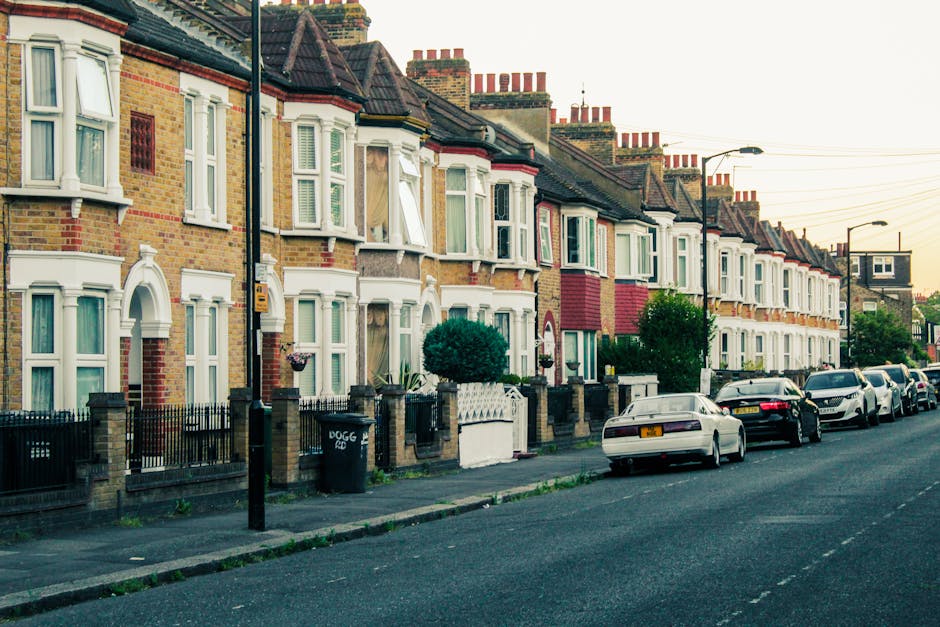
Moving house around Forster Park in Catford can feel straightforward on paper, then suddenly parking becomes the thing that throws the whole day off. A van that cannot stop close enough to the property, a narrow road with limited space, or a neighbour's car parked awkwardly can add stress very quickly. That is why Forster Park house removals parking advice Catford matters so much: it helps you plan the vehicle position, protect access, and keep the move calm rather than chaotic.
This guide is written for real moving days, not perfect ones. You will find practical parking tips, a step-by-step approach, common mistakes, and a few local common-sense recommendations that can save time and bother. If you are comparing moving support too, it may help to look at services such as home moves, man with van, or broader house removalists support as you plan the day.
Table of Contents
- Why Forster Park house removals parking advice Catford Matters
- How Forster Park house removals parking advice Catford Works
- Key Benefits and Practical Advantages
- Who This Is For and When It Makes Sense
- Step-by-Step Guidance
- Expert Tips for Better Results
- Common Mistakes to Avoid
- Tools, Resources and Recommendations
- Law, Compliance, Standards, or Best Practice
- Options, Methods, or Comparison Table
- Case Study or Real-World Example
- Practical Checklist
- Conclusion
- Frequently Asked Questions
Why Forster Park House Removals Parking Advice Catford Matters
Parking is not a side issue on moving day. It shapes the whole rhythm of the job. If the removal van can park close to the front door, loading is faster, safer, and less tiring. If it has to stop around the corner, everything takes longer. Boxes get carried further, furniture moves become harder, and the team spends more time working around traffic and pedestrians.
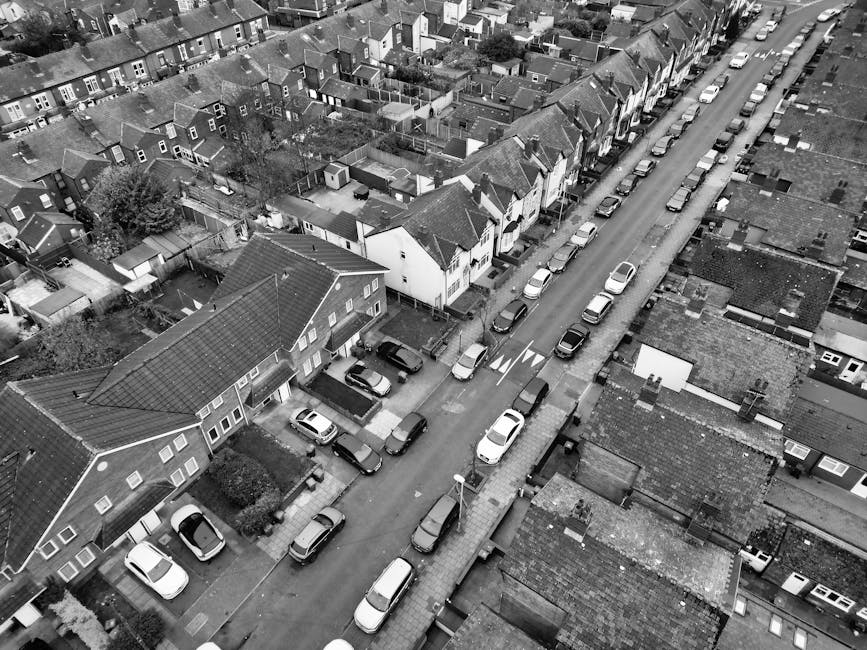
In an area like Catford, where streets can be busy and residential parking can be tight, the difference between a sensible parking setup and a poor one is huge. That is especially true in and around Forster Park, where you may have to think about driveway access, shared road space, turning room, and the knock-on effect on neighbours. Truth be told, most moving frustrations start with access, not the sofa itself.
There is also a trust element here. A well-planned parking arrangement gives everyone a clearer idea of what will happen and when. That matters if you are booking a man and van service for a compact move, or a larger vehicle such as a moving truck for a full household relocation. Different vehicle sizes need different parking logic. Simple, but easy to overlook.
Expert summary: the best parking plan is the one that reduces carrying distance, avoids blocking, and gives the loading team enough room to work without rushing. If that means a little preparation the day before, it is worth it. Very worth it.
How Forster Park house removals parking advice Catford Works
Good parking advice for a house move is really a process. It begins before moving day, continues while the van arrives, and finishes when the final items are loaded safely. The goal is to create a usable loading space that fits your property, your street, and the type of vehicle coming in.
Here is the basic flow:
- Assess the street layout. Look at how much kerb space is available, whether the road is one-way, and whether any vehicles routinely block access at busy times.
- Think about the loading point. The ideal is usually as close to the entrance as possible, but without causing an obstruction or making the van difficult to position.
- Check vehicle size against access. A smaller van may fit where a larger removal lorry would struggle. If you are unsure, a service like removal truck hire can help you think through the practicalities.
- Plan for the first and last 15 minutes. Those are often the most awkward moments. People are still arriving, neighbours are moving cars, and the van needs to settle in. That little window matters.
- Keep the path clear. Parking is only one part of access. Hallway space, steps, front gates, and bins can all affect how the loading area works.
For larger homes, parking is often part of a wider move plan that includes packing, furniture handling, and timing. That is where packing and unpacking services can be useful, because they help reduce the bottleneck at the point where everything comes out the front door at once.
There is no magic formula. But there is a pattern: the better the access plan, the less likely the move is to stall halfway through with someone saying, "Can we just move that car for a second?"
Key Benefits and Practical Advantages
People often focus on the physical move, but parking planning brings a surprising number of benefits. Some are obvious. Others only become obvious when things go wrong.
- Faster loading and unloading because items travel a shorter distance.
- Lower risk of damage to furniture, walls, and door frames.
- Less physical strain for everyone involved, especially with heavier items.
- Better street relations because you avoid careless blocking or confusion.
- More predictable timing if the van can park where it actually needs to be.
- Improved coordination between you, the movers, and any neighbours affected by the move.
There is another benefit that gets missed a lot: calmer decision-making. When parking is sorted, the team can focus on wrapping, lifting, and stacking properly. That makes the whole move feel more professional, even if it is just a simple local relocation. To be fair, that calmness is worth a lot on a day that already has enough moving parts.
If you are comparing options, a local man with van setup may suit smaller loads and tighter access better than a larger vehicle. For bigger properties or fuller house moves, you may prefer a more structured service such as house removalists.
Who This Is For and When It Makes Sense
This advice is useful for a wide range of people, but it is especially relevant if any of the following sounds familiar:
- You live on or near a street where parking spaces fill quickly.
- Your home is in a terrace, flat conversion, or property with limited front access.
- You are moving with a large sofa, wardrobes, white goods, or other awkward items.
- You need to keep disturbance to neighbours low.
- You are arranging a same-day move and need the van to work efficiently from the start.
- You are unsure whether a van can stop right outside, or whether you will need a fallback plan.
It also makes sense if you are moving out of a property with a lot of extra bits and pieces that need sorting separately. For example, if you are replacing bulky items at the same time, a service such as furniture pick up can reduce the pressure on the removal vehicle. That can free up space, time, and frankly, a bit of headspace too.
Even if you are only moving a short distance within Catford, parking still matters. Short moves can be deceptively messy because people assume they will be quick. They are only quick if the access is quick.
Step-by-Step Guidance
If you want the most practical version of Forster Park house removals parking advice Catford, follow this approach.
- Walk the route from the front door to the road. Look at gates, steps, low walls, parked cars, bins, and any awkward bends.
- Decide where the van should ideally stop. Aim for the shortest safe carrying distance, not just the nearest gap on the road.
- Check whether your household needs to reserve space informally. If you have neighbours who are likely to move cars early, let them know. A polite heads-up goes a long way.
- Identify a backup spot. Roads change through the day. A space that looks free at 7 a.m. may not still be free at 9.
- Plan the loading order. Heavy and awkward items should be ready first so the team can take advantage of the best parking position while it lasts.
- Keep essentials separate. Documents, keys, chargers, medication, and kettle items should not be buried in a box at the back of the van. You know the feeling when the kettle disappears.
- Allow time for repositioning. Sometimes the first parking choice is not the best one. If needed, adjust before the heavy lifting starts.
- Use the right moving support. If the property layout is tight, a smaller vehicle or more flexible service may make the whole process easier.
If the move is complex, it can help to review pricing and quotes early so you understand what level of vehicle and support fits your situation. It is much easier to plan access around the right service than to force the service around a bad parking setup.
One small but useful tip: take a photo of the front of the property and the nearest legal parking options the day before. You will be surprised how handy that can be when you are standing outside at 8:10 a.m., holding keys and trying to remember which car belongs to the neighbour who always leaves early.
Expert Tips for Better Results
These are the kinds of details that tend to make the biggest difference in real life.
- Choose your arrival window carefully. Early morning can be easier for parking, but not always. School runs, commuter traffic, and bin collections can all change the picture.
- Avoid assuming "just stopping briefly" is harmless. If a vehicle is too wide or blocks sight lines, even a short stop can create problems.
- Protect the loading area. Keep children, pets, and loose clutter away from the door while the van is positioned.
- Use clear communication. One person should direct parking and loading decisions. Too many voices, and everything gets muddier than it needs to be.
- Match vehicle choice to the street. Bigger is not always better. Sometimes a slightly smaller vehicle is more efficient because it can park where it needs to.
- Keep emergency access in mind. Do not park in a way that would make it hard for other residents or services to pass if needed.
If you are moving a lot of household items, a larger vehicle may still be right; just make sure the access is realistic. You can look at moving truck options or compare them with a more compact man and van arrangement. The best choice is not always the biggest one. Sometimes it is the one that fits the street best.
And yes, every moving day has one slightly awkward moment. That is normal. The trick is to keep that moment small, not let it grow legs.
Common Mistakes to Avoid
Parking mistakes tend to follow the same pattern: people underestimate how cramped things will be, then get caught out. The good news is that most of them are avoidable.
- Leaving parking until the van arrives. By then, it may be too late to fix the position properly.
- Assuming neighbours will move cars automatically. They might, but do not rely on it.
- Blocking the pavement or driveway without thinking through the consequences. A quick stop can become a long problem.
- Forgetting about height, width, and turning space. A van needs room to settle in, not just a tiny patch of road.
- Loading from the wrong side. If the vehicle is parked badly, every item becomes more awkward to carry.
- Ignoring bulky items until the end. That is usually when frustration starts to rise.
Another mistake is overpacking the move with extra disposal tasks. If you have old appliances, damaged furniture, or bulky waste to clear, do not leave it as an afterthought. For example, fridge and appliance removal or mattress and sofa disposal can help reduce the amount of clutter competing for space on the same day.
It sounds obvious, but when stress kicks in people stop thinking in terms of access and start thinking in terms of "get it out now." That is when scratched paint, strained backs, and grumpy silence tend to appear. Not ideal.
Tools, Resources and Recommendations
You do not need a complicated toolkit to handle parking well. A few sensible tools and resources are enough.
- A phone camera to photograph the street, entrance, and any access pinch points.
- Measuring tape if you are unsure whether larger items can be carried comfortably from the van.
- Basic floor protection for protecting hallways and thresholds during loading.
- Moving labels so priority boxes are easy to identify.
- A written access plan with arrival time, parking location, and a backup option.
For people who prefer to keep things tidy and well coordinated, packing and unpacking services can reduce the number of loose items near the entrance. Fewer loose items means fewer pauses. It really does help.
If you are concerned about how the move is handled overall, it is also sensible to look at the provider's general approach to insurance and safety and their wider health and safety policy. That is not just paperwork. It tells you a lot about how carefully the team thinks.
When in doubt, ask for advice before moving day. A short conversation often clears up the issue before it becomes a messy one.
Law, Compliance, Standards, or Best Practice
Parking for a house removal is not usually about dramatic legal complexity, but it does sit within ordinary road and neighbourhood expectations. The safest approach is to follow local parking restrictions, avoid obstruction, and keep access safe for pedestrians, neighbours, and other road users.
In practice, that means a few straightforward principles:
- Do not block traffic or emergency access.
- Do not assume you can park anywhere "just for a minute."
- Respect driveways, dropped kerbs, and marked restrictions.
- Keep the loading process as tidy as possible.
- Give neighbours enough notice where your move may affect them.
Best practice also includes using a vehicle that suits the street conditions. If the road is tight, a smaller vehicle or more flexible moving arrangement may be the smarter choice. That is one reason some people choose a local moving option rather than a large, one-size-fits-all setup.
From a professional standpoint, good removal work should also be backed by clear service information, fair payment handling, and sensible expectations. You can review matters like payment and security and the general service terms through terms and conditions. It keeps everyone on the same page, which is no small thing on moving day.
Options, Methods, or Comparison Table
Not every move needs the same parking approach. The right method depends on property type, load size, and how much access flexibility you have.
| Option | Best for | Parking impact | Typical drawback |
|---|---|---|---|
| Compact man and van | Smaller flats, partial loads, lighter household moves | Easier to fit into tighter streets | May require more trips if the load is large |
| Full house removal team | Larger homes, full contents, heavy furniture | Needs more careful space planning and loading room | Can be harder to position on narrow roads |
| Removal truck hire | Busy moves with organised loading and fewer trips | Works best where roadside space is genuinely adequate | Vehicle size can create access limits |
| Combined packing and moving support | Busy households, time-sensitive moves, complex contents | Reduces congestion at the entrance | Needs earlier planning and coordination |
If you are stuck between options, think about the street before you think about the sofa. That sounds backwards, maybe, but it is often the smartest way to decide. A smaller vehicle in the right spot can beat a bigger one that has to hover awkwardly half a road away.
Case Study or Real-World Example
Here is a realistic example. A family moving from a property near Forster Park had a fairly standard load: bedrooms, lounge furniture, a few appliances, and about thirty mixed boxes. The front of the house looked fine at first glance. But when they checked carefully, they realised the closest available parking space would still leave the van a decent walk from the doorway.
Instead of waiting until the day itself, they planned an earlier arrival window, asked a neighbour to leave a space clear if possible, and stacked the first wave of boxes near the hall door. They also moved a couple of bulky items out beforehand through a separate furniture pick up arrangement. That took pressure off the loading area, and the main move ran more smoothly than expected.
The result was not dramatic in a flashy way. No big story, no miracle. Just less carrying distance, fewer pauses, and a calmer team at the front door. The sort of move where you finish, look at the empty rooms, and think, "Right, that was manageable after all."
Practical Checklist
Use this checklist the day before your move.
- Confirm the van or truck size with your mover.
- Look at the street and choose the nearest sensible loading space.
- Check for restrictions, driveways, dropped kerbs, or common access issues.
- Tell neighbours if space could be tight.
- Keep the front path clear of bins, bikes, and loose items.
- Separate essentials you will need first.
- Prepare any large, awkward, or fragile items for quick loading.
- Have a backup parking plan in case your first option is taken.
- Keep children and pets away from the loading area.
- Make sure keys, paperwork, and phone chargers are easy to reach.
Quick takeaway: if you get the parking right, the rest of the move usually feels easier. Not perfect, just easier. And on moving day, easier is gold.
If you want help planning the rest of your move, you can also explore book online when you are ready to get things moving. If you prefer to read a little more about the team first, the about us page is a sensible next step.
Conclusion
Forster Park house removals parking advice Catford is really about reducing friction. Park as close as is sensible, plan for street realities, and think about access before the first box is lifted. That one habit can save time, protect your belongings, and make the day feel far more manageable.
The best moves are rarely the ones with the fanciest vehicle. They are the ones where the parking, timing, and loading all work together without drama. That is what you want, honestly. A move that feels controlled, not chaotic.
If you are preparing a local house move and want to keep things simple, start with the parking plan, then build the rest around it. It is one of those small details that quietly holds everything together.
Get a free quote today and see how much you can save.
Frequently Asked Questions
What is the best parking position for a house removal in Forster Park?
The best position is usually the closest safe and legal spot to your front door, with enough room for the van or truck to load without blocking traffic. Shorter carrying distance is the aim, but safety and legality come first.
Should I try to reserve parking for moving day?
If parking is tight, it helps to speak to neighbours politely and plan a fallback space. Just avoid assuming a space will stay free unless you have a proper arrangement in place. Streets change fast in the morning.
Does a smaller van make parking easier in Catford?
Usually, yes. Smaller vans are often easier to position on residential streets with limited space. That said, if your load is large, you may need a bigger vehicle or a different loading strategy.
How early should I think about parking before the move?
The day before is ideal. That gives you time to walk the street, check access, speak to neighbours if needed, and sort out a backup plan. Leaving it until the van arrives is where stress begins.
What if the van cannot park right outside my home?
Then you need the next best option that still allows safe loading. A short walk is not the end of the world, but it should be planned so heavy items are not carried farther than necessary.
Do I need special permission to load from the road?
That depends on the exact location and any local restrictions. The safest approach is to follow standard parking rules, avoid obstruction, and only use spaces that are clearly available and lawful.
How can I make loading faster if parking is limited?
Keep items ready near the exit, pack boxes clearly, and load the heaviest or bulkiest items first. If possible, reduce the amount of extra clutter by using services like furniture or appliance removal for items not coming with you.
Is parking advice different for flats and terraced houses?
Yes, often it is. Flats can involve shared entrances or tighter communal spaces, while terraced homes may rely on street parking. Each property type needs a slightly different access plan.
What should I tell my mover about parking?
Tell them the street layout, likely parking space, any restrictions, whether there are steps or narrow paths, and whether larger vehicles might struggle. Good information saves time and reduces guesswork.
Can bad parking actually damage furniture?
It can. The further items have to be carried, the more chance there is of knocks, scuffs, and strain. Poor parking can also make the loading angle awkward, which is not great for large or fragile pieces.
Where can I compare moving support options for a Catford home move?
You can look at service pages such as home moves, man and van, and house removalists to see which approach fits your property, load size, and parking situation best.
What is the simplest way to avoid parking stress on moving day?
Make a parking plan before the day arrives, choose a vehicle that suits the street, and keep the loading area clear. Simple as that, really. The move still takes effort, but the worst of the stress usually falls away.